Traditional English Chips | A Tribute Recipe

Homemade Traditional English Chips on a serving dish

This traditional English chips recipe is not just reliable, it’s a tradition that stands the test of time.

My Nanny-in-law never called them French fries. To her, they were simply chips—thick-cut potatoes cooked the proper way, until golden and crisp on the outside while remaining soft and fluffy in the center. They were the perfect companion to homemade fish and chips, but just as often they appeared alongside dinners, on a “chip buddy” (AKA a sandwich), or simply as a snack with a splash of malt vinegar.

The secret isn’t a special ingredient—it’s just basic ingredients and the right fry temp. A simple double-fry method transforms russet potatoes into authentic British chip shop-style chips. Once you’ve made them this way, it’s hard to go back.

Traditional English chips in fryer

What is the difference between English Chips and French Fries?

Many people assume English chips are simply thicker French fries, but the difference goes beyond their size.

Traditional English chips are cut much thicker than French fries and are cooked using a two-stage frying method that creates a crisp exterior while keeping the center soft and almost creamy. They’re hearty enough to stand beside battered fish, absorb malt vinegar beautifully, and remain one of Britain’s most beloved comfort foods.

While French fries are often thin and crisp, English chips are meant to have a moer substancial appearance with fluffy interiors that practically melt in your mouth.

The Best Fish and Chips Recipe
The best Fish & Chip recipe is a batter that is thin and crunchy encapsulating a moist, flavorful piece of cod. Serve it with a tangy, homemade tartar sauce that is very easy to make.

What are the Best Potatoes for English Chips?

Russet potatoes are the best choice because their high starch content produces the light, fluffy centers that make authentic chips so satisfying. Anything else will become mushy and soggy.

Uniform sizing is one of Nanny’s simple tricks for ensuring every chip cooks evenly.

Common Question about Traditional English Chips

What are English chips?

English chips are thick-cut potatoes that are crispy on the outside and fluffy on the inside. Unlike thin French fries, they’re cut much larger and traditionally cooked using a two-stage frying method. They’re the classic side served with British fish and chips and are a staple in pubs and chip shops throughout the UK.

What’s the difference between English chips and French fries?

Although they’re both made from potatoes, English chips are much thicker than French fries. Chips have a soft, fluffy center with a crisp golden exterior, while French fries are usually thinner and crispier throughout. English chips are meant to be hearty enough to stand up to malt vinegar, mushy peas, and battered fish.

Why are British chips fried twice?

Double frying creates the signature texture. The first fry gently cooks the potato until tender, while the second fry at a higher temperature crisps the outside without drying out the center. This technique gives chips their crispy shell and fluffy interior.

Why aren’t my chips crispy?

The most common causes are potatoes that weren’t dried thoroughly, oil that wasn’t hot enough, overcrowding the fryer, or skipping the second fry. Each step is important for creating the crisp exterior and fluffy center that define traditional English chips.

How to Make English Chips

Cut the Russets into 1/2″ strips. Soak in water to remove starch. Dry well on paper towel. Heat oil to frying temperature and fry until crisp. (Double fry if desired.)

Homemade Traditional English Chips on a serving dish
Print Recipe
5 from 1 review

Traditional English Chips

Crispy on the outside, fluffy in the center, these thick-cut British chip shop style chips are the perfect side for homemade fish and chips (or just a snack!)
Prep Time15 minutes
Cook Time5 minutes
Course: Side Dish
Cuisine: British
Keyword: fried
Servings: 4 people

Ingredients

  • 3 pounds Russet potatoes about 4 large potatoes.
  • 3 quarts canola oil for frying plus 1/4 additional cup
  • 3 cups all-purpose flour
  • 1 cup cornstarch
  • ½ teaspoon cayenne pepper
  • ½ teaspoon paprika
  • 1/4 teaspoon ground black pepper
  • 3 tsp Diamond kosher salt
  • 2 teaspoon baking powder
  • 1 ½ – 2 pounds 1-inch-thick cod fillet or other thick white fish, such as hake or haddock cut into approximately 3-ounce pieces. (Thoroughly dry fish with paper towels)
  • up to 3 cups beer 24 ounces, cold. (Any beer will work in this recipe, even nonalcoholic beer with the exception of dark stouts and ales.)

Instructions

2. Prep the potatoes

  • Peel the potatoes and slice off the “top & tail” to square off the ends of the potato and discard. Cut each potatoes lengthwise into 1/2 inch fries. Add potato pieces into a water bath for about 30 minutes.
    Sliced fries in a water bath
  • Remove from water and pat dry with paper towel.
    Raw Russet potatoes sliced into fries and ready to fry

4. Fry the Potatoes

  • In heavy-bottomed Dutch oven (about 7 quart capacity), heat TWO of the three quarts oil over medium heat to 350°F. Pro Tip: Use a Oil safe Probe to monitor and control temperature for perfect results. Add fries to hot oil and increase heat to high. Fry, stirring with mesh spider or slotted metal spoon, until potatoes turn light golden and just begin to brown at corners, 6 to 8 minutes.
    Golden fries and sizzling oil
  • Transfer fries to paper towels to drain.
    Homemade french fries draining on paper towel

6. Re-fry the potatoes

  • Add the previously fried potatoes back to the hot oil for about 2 minutes to crisp up. Remove to fresh paper towel or directly to a cooking rack. Immediately sprinkle with sea salt or kosher salt.
    Homemade french fries draining on paper towel

Serve hot

  • Serve fish & chips with traditional malt vinegar
    Fish & chips with a lemon wedge and tartar sauce

Notes

• You can keep fish hot and crispy in a 200° F. oven for about 10 minutes if you are cooking in batches. 
• This recipes makes a large amount of batter. It can be reduced by half if you choose.
• I prefer to use separate pots of oil for the fish and the chips to avoid your chips tasting, well, like fish! But its totally a personal preference and influenced by the quantity you are making. 

Lemon Garlic Grilled Shrimp Marinade

Grilled shrimp 3

This Mediterranean inspired Lemon Garlic Grilled Shrimp Marinade is simple enough for a weeknight dinner yet lovely enough to serve when you’re entertaining. A quick marinade of olive oil, garlic, herbs, and fresh lemon zest gives the shrimp bright, fresh flavor while letting their natural sweetness shine.

Serve these Lemon Garlic Grilled Shrimp as an appetizer, make them the centerpiece of dinner, or alongside a grilled steak for special occasion surf & turf. This recipe feels a little extra special and yet it comes together in minutes. The key is fresh shrimp.

Why You’ll Love This Lemon Garlic Grilled Shrimp Marinade

  • Ready in minutes
  • Bright Mediterranean flavors that let the shrimp shine
  • Perfect for weeknight dinners or entertaining
  • Delicious served on its own as an appetizer or as a main
  • Naturally gluten-free and low carb

How to make a lemon garlic shrimp marinade

  • 2 tablespoons extra virgin olive oil
  • 2 large garlic cloves, minced
  • Zest of 1 lemon
  • ½ teaspoon dried thyme
  • ½ teaspoon dried oregano
  • ½ teaspoon kosher salt (adjust to taste)
  • ¼ teaspoon freshly ground black pepper
  • 1 pound large fresh shrimp, peeled and deveined

How to Make Lemon Garlic Shrimp

Pat the fresh shrimp completely dry with paper towels before marinating. This helps the marinade cling to the shrimp instead of sliding off, and allows them to develop better color on the grill.

In a bowl, combine the olive oil, garlic, lemon zest, thyme, oregano, salt, and pepper. Toss the shrimp until evenly coated and refrigerate for 15–30 minutes and up to a few hours.

Preheat your grill to medium-high heat. Grill the shrimp for about 2–3 minutes per side, just until they’re opaque and lightly charred. Transfer to a serving platter and serve immediately with fresh lemon wedges.

Mexican Shrimp Cocktail Recipe
Unlike traditional shrimp cocktail, Mexican Shrimp Cocktail combines tender shrimp with tomato juice, cucumber, avocado, lime, and a touch of heat for a refreshing appetizer that’s packed with flavor and texture. Served in individual glasses or small bowls, it looks beautiful on the table and can be prepared entirely in advance.

Why This Shrimp Marinade Uses Lemon Zest Instead of Lemon Juice

Fresh lemon juice is wonderful squeezed over grilled shrimp or any seafood just before serving, but using it in the marinade will alter the texture of the shrimp before they ever reach the grill. Lemon zest, on the other hand, keeps the shrimp tender while still providing that fresh, vibrant flavor that pairs beautifully with garlic and herbs.

Tips for Perfect Grilled Shrimp

  • Choose fresh shrimp whenever possible for the sweetest flavor and best texture.
  • Pat the shrimp dry before marinating to prevent excess moisture and help them grill beautifully.
  • Don’t marinate longer than about 30 minutes. Shrimp only need a short time to absorb flavor.
  • Avoid overcooking. Shrimp cook quickly and are done as soon as they turn opaque and curl into a loose “C.”
  • Finish with fresh lemon wedges for a burst of brightness just before serving.

What to Serve with Lemon Garlic Grilled Shrimp

This grilled shrimp pairs beautifully with grilled vegetables, rice, roasted potatoes, fresh corn, or a crisp green salad. It’s also a great twist on surf & turf!

Can I use frozen shrimp?

You can use frozen shrimp but the texture will always be different than using fresh shrimp and they are treated with preservatives that do impact the salinity. Use fresh when you can. If you can’t, be sure to thaw the shrimp slowly and pat dry very well.

How long should I marinate shrimp?

About 15 to 30 minutes is ideal. Shrimp absorb flavor quickly, so a long marinade isn’t necessary. In fact, if you don’t have time to marinate them, thats ok too. They are just as good and will sear better if you just toss and then grill immediately.

How do I know when grilled shrimp are done?

Shrimp are finished cooking when they turn opaque and curl into a loose “C.” Overcooked shrimp become tight, rubbery, and curl into a small “O.” They will continue cooking even when off the grill.

Can I make grilled shrimp ahead of time?

You can mix the marinade several days in advance, but wait to add the shrimp until about 30 minutes before grilling for the best texture.

Can I cook shrimp without a grill?

Absolutely. This recipe works beautifully on a grill pan or in a hot cast iron skillet.

Grilled shrimp 3
Print Recipe
No ratings yet

Lemon Garlic Grilled Shrimp

This easy lemon garlic grilled shrimp is marinated with olive oil, fresh garlic, herbs, and lemon zest. Perfect every time. Serve as an appetizer, a main dish or as surf & turf. Recipe doubles well.
Prep Time10 minutes
Cook Time6 minutes
Course: Appetizer, Main Course
Cuisine: Mediterranean
Keyword: grilled, seafood, summer
Servings: 4 people

Ingredients

  • 2 tablespoons extra virgin olive oil
  • 2 large garlic cloves minced
  • Zest of 1 lemon
  • ½ teaspoon dried thyme
  • ½ teaspoon dried oregano
  • ½ teaspoon kosher salt adjust to taste
  • ¼ teaspoon freshly ground black pepper
  • 1 pound large fresh shrimp peeled and deveined

Instructions

  • Pat the shrimp completely dry with paper towels before marinating. (This helps the marinade cling to the shrimp instead of sliding off and allows them to develop better color on the grill.)
  • In a bowl, combine the olive oil, garlic, lemon zest, thyme, oregano, salt, and pepper. Toss the shrimp until evenly coated and cook immediately or refrigerate up to 30 minutes.
  • Preheat your grill to medium-high heat. Grill the shrimp for about 2–3 minutes per side, just until they’re opaque and lightly charred. Transfer to a serving platter and serve immediately with fresh lemon wedges.

Father’s Day Dinner Ideas: A Feast He Won’t Forget

Feast Round Up Collages Feature Images 16x9 15

These Father’s Day dinner ideas and tips for effortless entertaining are designed to make Dad feel celebrated—and make the cook look like a hero.

What to make for Father’s Day that everyone will enjoy.

Father’s Day dinner ideas don’t call for tiny portions or expensive restaurant reservations. It calls for great food, a hot grill, and everyone gathered around the table. Whether you’re planning an unforgettable steakhouse-style dinner, a backyard barbecue, or a seafood feast complete with lobster and grilled shrimp, these recipes will inspire fun, family and lots of feast and merriment.


THE BACKYARD BARBEQUE MENU
For the dad who likes to kick back with a burger and beer.

Hot Beer Cheese Dip
Most people don’t think to make beer cheese dip at home, but they should. This pub-style favorite is simple to prepare, full of flavor, and perfect for game day, casual entertaining, or a cozy night in.
Gourmet Red Wine Onion Burger
There is no argument that beef pairs very well with onions and red wine, which is exactly what this recipe uses to take this burger to a whole new level!
Summer Corn Salad
Nothing captures summer quite like fresh sweet corn. This colorful salad combines seasonal ingredients in a dish that’s light, vibrant, and versatile enough to pair with burgers, grilled chicken, seafood, or steak. It travels beautifully and tastes just as good after sitting for a bit, making it ideal for potlucks and outdoor gatherings.

THE STEAKHOUSE AT HOME MENU
For the dad who likes a great cut of beef and nice glass of wine.

Ina Garten’s Slow Roasted Beef Tenderloin Recipe
Ina Garten’s Beef Tenderloin recipe is an elegant, foolproof centerpiece that’s perfect for holidays, dinner parties, or any special occasion. Roasted to perfection and packed with rich flavor, it’s surprisingly simple to prepare and always impresses guests.
How to Make Crab Cakes
A good crab cake doesn’t need filler or fuss. This recipe is built around quality crab, light binding, and just enough seasoning to let the crab shine as the superstar that it is.
Simple Roasted Asparagus
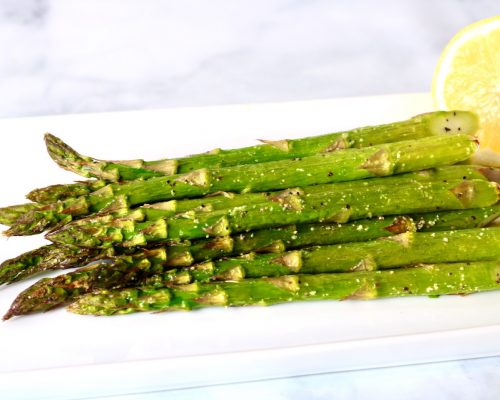
Roasted asparagus couldn’t be easier to make and is the best way to enjoy this vegetable any time of the year.

THE SEAFOOD WORTH CELEBRATING MENU
For the dad who enjoys summer nights and the sea.

Roasted Oysters
These decedent roasted oysters are served right out of the shell and will make you feel as “Rich as Rockefeller” while eating them!
Grilled Peel & Eat Shrimp
Fire up the grill for the easiest summer appetizer—grilled peel and eat shrimp. Smoky, seasoned, and served shell-on for maximum flavor, this quick recipe is perfect for outdoor gatherings and effortless entertaining.
How to Make Crab Cakes
A good crab cake doesn’t need filler or fuss. This recipe is built around quality crab, light binding, and just enough seasoning to let the crab shine as the superstar that it is.
How to Make Lobster
With a little advance planning, Lobster night can be a whole lot more enjoyable. Learn the tricks of the trade and leave the bibs behind.

French Deviled Eggs with Crème Fraîche

French deviled eggs with and without caviar

Inspired by the French hors d’oeuvre classic “oeufs mimosa,” these elegant French deviled eggs are made with perfectly cooked jammy yolks, crème fraîche, and restrained seasoning for a more refined alternative to traditional deviled eggs.

French Deviled Eggs vs. Traditional Deviled Eggs

Traditional deviled eggs are often overly whipped, mayonnaise-heavy, and aggressively seasoned to the point where the flavor of the egg itself almost disappears.

French deviled eggs take a far more sophisticated approach.

Inspired by classic oeufs mimosa, the goal is not to mask the egg, but to highlight and gently enrich it. Jammy yolks are lightly mashed with crème fraîche and just enough seasoning to create a silky, luxurious texture while still preserving the integrity of the ingredient itself.

The result is a lighter and more understated than traditional deviled eggs — silky instead of fluffy, delicate rather than dense, and elegant without feeling overdone.

French deviled eggs Recipe

Deviled Eggs Without Mayo

Unlike traditional deviled eggs, this French-inspired version skips the mayonnaise entirely. Instead, crème fraîche creates a soft, velvety filling that enhances the richness of the yolk without overpowering it.

Without heavy mayonnaise or excessive vinegar, the eggs remain delicate, silky, and egg-forward. The slightly jammy yolks create a texture closer to a classic French hors d’oeuvre than the overly whipped picnic-style deviled eggs many people are used to.

French Deviled Egg Toppings

Simple garnishes like finely chopped chives, tiny dill fronds, flaky sea salt, or freshly cracked black pepper beautifully complement the creamy yolks without overpowering them. Smoked salmon or trout roe also make elegant additions for holiday entertaining, cocktail parties, or luxury brunch spreads.

For the ultimate finishing touch, top each French deviled egg with a small spoonful of caviar. The rich, briny caviar paired with the silky yolk creates one of the most indulgent and sophisticated bites imaginable.

A artfully arranged platter featuring french deviled eggs and caviar

Eggs with Caviar

French deviled eggs with caviar

While these French deviled eggs are most commonly enjoyed simply with chopped chives, flaky sea salt, or fresh dill, topping them with caviar transforms them into an exceptionally elegant appetizer.

The creamy yolk, cool crème fraîche, and delicate briny pop of caviar create a perfectly balanced bite that feels luxurious yet restrained. Whether served for New Year’s Eve, a champagne gathering, holiday entertaining, or a special occasion dinner, eggs with caviar are one of the simplest ways to create a sophisticated hors d’oeuvre presentation at home.

How Long to Boil Eggs for Deviled Eggs

For creamy, jammy yolks, cook the eggs for 8½ minutes. The cooking method itself is just as important as the timing.

Bring a pot of water to a gentle boil — not a rapid rolling boil, which can overcook the eggs and create chalky yolks.

Carefully lower in the eggs and cook:

  • 8 minutes for very jammy yolks
  • 8½ minutes for slightly firmer but still creamy yolks

Immediately transfer the eggs to an ice bath to stop the cooking process.

The goal is a soft, rich yolk with a creamy texture rather than the dry, crumbly filling associated with traditional deviled eggs.

French deviled eggs Recipe
Print Recipe
No ratings yet

French Deviled Eggs with Crème Fraîche

These French deviled eggs are beautiful served on their own as part of a cocktail spread, but paired with caviar, they become an unforgettable bite — rich, creamy, and incredibly refined.
Servings: 4 – 6 people
Author: Christina Collins | Feast & Merriment

Ingredients

  • 6 medium organic eggs
  • 2 tablespoons crème fraîche
  • 1 teaspoon softened butter
  • pinch flaky salt
  • freshly cracked black pepper
  • 1 teaspoon finely chopped chives
  • optional: ¼ teaspoon Dijon mustard
  • optional: tiny squeeze fresh lemon juice

For optional garnish:

  • additional chives
  • tiny dill fronds
  • flaky salt
  • caviar

Instructions

1. Cook the Eggs

  • Bring a pot of water to a GENTLE boil — not a rapid rolling boil. Carefully lower in the eggs and cook 8½–9 minutes for firmer but still creamy yolks.
  • Use a strainer spoon to Immediately transfer the eggs to an ice bath. *This step is essential. You want creamy yolks — never chalky ones.

2. Peel and Slice Carefully

  • Peel the eggs gently, ideally under lightly running water if needed.
  • Slice each egg in half lengthwise using a very sharp knife, wiping the blade clean between cuts for the neatest presentation.

3. Make the Filling

  • Carefully remove the yolks.
  • Using a fork or very small whisk,(do not use a food processor) gently mash the yolks with a dollop of crème fraîche, touch of dijon mustard, and pinch of kosher salt. If using chopped chives, gently mix in. Go Slowly.
  • NOTE: You want just enough crème fraîche to loosen the yolks slightly without turning the mixture into a dip.
  • The final texture should be silky, buttery, luxurious, slightly rustic,– Never airy or mousse-like.

4. Fill the Eggs

  • Using two small spoons (baby spoons work well here) spoon a very small amount of filling back into each egg. Keep the mound low, smooth, and elegant.
  • No oversized swirls. No oversized swirls.No overstuffing.

5. Garnish and Serve

  • Finish with finely chopped chives, a tiny dill frond, flaky salt or a small spoonful of caviar for an especially luxurious presentation

How to Serve Caviar at Home

Feast Round Up Collages Feature Images 16x9 2

Tips, Pairings & Entertaining Ideas for How to Serve Caviar at Home

Learning how to serve caviar at home is less complicated than many people imagine. While caviar is often associated with fine dining and special occasions, creating an elegant caviar experience is surprisingly approachable with a few thoughtful details. The key is keeping the caviar properly chilled, selecting simple accompaniments, and creating an atmosphere that encourages the slow and savory moment.

What to serve with Caviar

One of the most common questions is what to serve with caviar. Traditional accompaniments such as blini, crème fraîche, chopped egg, chives, and finely diced red onion have been served alongside caviar for generations. While these classic pairings remain popular, I tend to prefer a combination of traditional and modern accompaniments that allow the caviar to remain the star of the show.

Personally, I find red onion can easily overpower the delicate flavor of the caviar, so I often skip it in favor of milder options that enhance rather than compete with its subtle brininess.

  • Warm blini with crème fraîche
  • Kettle-cooked potato chips topped with crème fraîche and caviar
  • Buttered toast points
  • Smoked salmon
  • Thinly sliced baby boiled potatoes or mini potato skins
  • Mini potato pancakes or latkes
  • Crispy tater tot crowns for a gluten-free option
  • Anything Eggs and Caviar
  • Lobster salad topped with a small spoonful of caviar for an extra-special experience

A twist on Fish & Chips – One of the most popular modern pairings is a potato chip topped with crème fraîche and caviar—a playful combination often referred to as “fish and chips.” The salty crunch of the chip paired with the cool creaminess of the crème fraîche creates the perfect foundation for the delicate pop of the caviar. It’s the perfect gourmet appetizer.

Petrusco Caviar
Exceptional quality and refined flavor

How to Serve Caviar at Home

The beauty of caviar is that it doesn’t require elaborate preparation. In fact, the best approach is often the simplest. For the best experience:

  • Keep caviar refrigerated until serving*
  • Nest the tin in crushed ice
  • Offer a few carefully selected accompaniments
  • Serve alongside champagne or chilled vodka
  • Let guests build their own perfect bite

The goal isn’t to overwhelm the caviar with toppings, but to enhance its texture and flavor with complementary ingredients.

French Deviled Eggs with Crème Fraîche
Inspired by the French approach to simple, elegant food, these French Deviled Eggs are made with crème fraîche instead of mayonnaise for a rich, velvety filling. Serve them on their own or topped with caviar for an effortless appetizer perfect for entertaining.

Frequently Asked Questions about Caviar

*How to store Caviar

Storing caviar at the right temperature plays a significant role in both freshness, flavor and texture.

Always keep it cold, stored on the lowest shelf, in the coldest part of the fridge, away from the heat of the appliance light. It is delicate and should be stored between 34-36°F and enjoyed as soon as possible after purchase.

Once ready to serve caviar, it should remain cold from the moment it leaves the refrigerator until it reaches the table. (I like to put in the freezer for 10-15 minutes prior to serving but you have to set a timer as to not forgot it or leave it too long. You don’t want it to freeze- just a good chill.)

If you can, nestle the tin of caviar on a small bowl of crushed ice to maintain the ideal temperature throughout the evening while adding a polished and traditional presentation.

Prepare accompaniments in advance so the caviar spends as little time as possible at room temperature.

What drinks pair well with Caviar?

Champagne remains the classic choice for good reason. Its bright acidity and fine bubbles cleanse the palate between bites while highlighting the subtle nuances of the caviar.

Other excellent pairings include:
Brut Champagne
Blanc de Blancs
High-quality sparkling wine
Ice-cold vodka
Dry white wine

Where to buy Caviar?

Buying caviar comes down to your taste and budget. Buying online from a reputable source has become the standard, however a high quality fish market will also often sell a small variety of tins. Be sure to ask for packaging dates to ensure freshness.

After extensive research, I landed on buying caviar from Petrusco. I give it as gifts as well as enjoy it myself. I find the price point, options and quality to be perfect for my needs.

What is the best Caviar?

The best caviar depends on your taste and budget.

Osetra is prized for its buttery, nutty flavor and is often considered one of the most balanced choices.

Kaluga offers a rich, creamy texture and is a favorite among luxury restaurants. Siberian Sturgeon caviar is often recommended for beginners because it delivers excellent flavor at a more approachable price point.

Beluga is traditionally considered the most prestigious caviar, though authentic Beluga is largely unavailable in the United States due to import restrictions.

My recommendation is one that strikes a balance for a beginner and satisfies an enthusiast at a manageable price point (in the world of buying caviar.)

What is the difference between Osetra and Kaluga caviar?

Osetra caviar is known for its nutty, buttery flavor and firm texture. Kaluga caviar tends to be richer and creamier, with a slightly more luxurious mouthfeel. Both are considered premium options and are excellent choices.


How Much Caviar Per Person?

The amount of caviar you’ll need depends on your budget and how you plan to serve it. If money is no option, go for more, not less.

For a tasting or appetizer: Plan on ½ to 1 ounce (14–28 grams) per person.
For a caviar-focused experience: Allow 1 ounce (28 grams) per guest so everyone can enjoy multiple servings and pairings.

How to buy Caviar

If you’re wondering how to buy caviar for the first time, start by focusing on what kind of caviar you want to buy rather than price alone.

Look for reputable suppliers that clearly identify the type of sturgeon, country of origin, and harvest date.

Many premium suppliers now ship overnight with insulated packaging, making it easier than ever to enjoy high-quality caviar at home.

You can also buy caviar from a high quality fish market – just be sure to ask for packaging dates to ensure freshness. And keep it on ice during transport.

10 Fresh Summer Food Ideas for Your Next BBQ, Cookout or Backyard Party

summer food ideas for cookouts

Looking for fresh summer food ideas for your next BBQ, cookout, or backyard party? Whether you’re planning a Memorial Day barbecue, Fourth of July celebration, Labor Day gathering, or a casual weekend with friends, these easy side dishs for bbq are perfect backyard party food.

Whether you need a colorful side dish for a BBQ, a refreshing summer salad, a make-ahead appetizer, or something special to bring to a cookout, these foolproof summer recipes travel well, plate beautifully, and are guaranteed to disappear quickly.

The Best Summer Food Ideas

The best summer food ideas are simple, fresh, and easy to share. When planning a menu for a backyard BBQ or neighborhood cookout, look for recipes that can be prepared ahead of time, transported easily, and served cold or at room temperature. Seasonal produce, bright flavors, and make-ahead dishes help you spend less time in the kitchen and more time enjoying your guests.

  • Can be made ahead.
  • Transport well to a backyard party.
  • Showcase fresh summer ingredients.
  • Look vibrant and inviting on the table.
  • Feel just a little more special than the usual options


1. Mexican Shrimp Cocktail is colorful, refreshing, and a perfect summer appetizer. It checks every box for a great barbecue dish. It can be made entirely in advance, travels beautifully, and brings a welcome brightness to a table often filled with heavier fare. A show stopper.

Mexican Shrimp Cocktail Recipe
Unlike traditional shrimp cocktail, Mexican Shrimp Cocktail combines tender shrimp with tomato juice, cucumber, avocado, lime, and a touch of heat for a refreshing appetizer that’s packed with flavor and texture. Served in individual glasses or small bowls, it looks beautiful on the table and can be prepared entirely in advance.


2. Summer Corn Salad Cocktail celebrates fresh summer produce with a bright and colorful presentation. It’s easy to make ahead and pairs with almost any grilled entrée from simple chicken to heart burgers.

Summer Corn Salad
Nothing captures summer quite like fresh sweet corn. This colorful salad combines seasonal ingredients in a dish that’s light, vibrant, and versatile enough to pair with burgers, grilled chicken, seafood, or steak. It travels beautifully and tastes just as good after sitting for a bit, making it ideal for potlucks and outdoor gatherings.

What to Bring to a BBQ or Cookout

Not sure what to bring to a BBQ? A few well-chosen dishes can complement almost any menu.

Fresh summer salads
BBQ side dishes
Make-ahead appetizers
Homemade dips
Seafood appetizers
Seasonal vegetable dishes

These recipes are easy to transport, require very little last-minute preparation, and are perfect for backyard parties, neighborhood cookouts, and holiday gatherings throughout the summer.


3. Roasted Tomato & Mozzarella Caprese is a perfect dish to bring to a Memorial Day BBQ. It highlights seasonal ingredients, makes a beautiful platter presentation, can be served room-temperature and is easy to transport. Roasting the tomatoes is what makes this extra special.

Roasted Tomato & Mozzarella Caprese
A simple platter of roasted tomatoes and mozzarella that elevates the classic in a stunning way. Roasting concentrates the tomatoes’ sweetness while mozzarella adds creamy richness. Arranged on a serving platter, it’s impressive without requiring much effort.


4. Guacamole Salad is perfect to bring to a bbq because it’s easy to serve a crowd, fresh and colorful, naturally gluten-free and travels well! It’s something they won’t be expecting and will add color and flavor to the table.

Guacamole Salad
This Mexican-inspired Guacamole Salad is heart-healthy, gluten-free and vegetarian. It’s both colorful and delicious!

Tips for Bringing Food to a Backyard Party

A few simple tips can make transporting food much easier:

→Keep cold dishes chilled until serving.
→Transport salads and dips in airtight containers.
→Add fresh herbs or delicate garnishes just before serving.
→Bring serving utensils so the host doesn’t have to search for extras.
→Label dishes containing common allergens like nuts or shellfish.
→Choose recipes that taste just as delicious at room temperature as they do fresh from the kitchen.


5. Italian Pasta Salad is a summer classic for good reason, Italian Pasta Salad can be made entirely ahead of time, travels well, and delivers fresh flavor in a crowd-friendly dish that’s always welcome at barbecues, potlucks, and Memorial Day gatherings.

Italian Pasta Salad
This is the perfect Italian pasta salad inspired by antipasti favorites like sweet sun-dried tomatoes, salty olives, spicy pepperoncini peppers, salami and fresh mozzarella tossed together with peppery arugula and savory basil!


6. Classic Guacamole is fresh, flavorful, and ready in minutes. It’s an easy make-ahead appetizer that pairs perfectly with summer gatherings and is always one of the first bowls emptied at the table.

Simple, Classic Guacamole Recipe
This classic tomato-free guacamole is all about the purity of avocados, fresh lime, and just enough onion and heat. Simple, fresh, and perfect for game day dipping.


7. Homemade Hummus is a simple, inexpensive make-ahead appetizer that travels beautifully and adds a fresh, healthy element to any snack table, making it an ideal choice for cookouts, picnics, and summer entertaining. Top it with fresh ingredients and seasoning and it becomes an unexpected, elevated dish.

Homemade Hummus
Learn how to make homemade hummus from scratch with this easy, creamy hummus recipe — perfect for snacks, dips or spreads. Add toppings for an elevated appetizer that is sure to impress!


8. Homemade Salsa is Bright, fresh, and packed with flavor. Skip the jarred stuff and prepare this in advance to brings vibrant color and seasonal ingredients to the table. Serve with simple tortilla chips and there won’t be a lick left.

Homemade Salsa Recipe
Sure, it’s easy to buy a jar from the market, but there is nothing quite like making fresh salsa, especially in summer when tomatoes & cilantro are at their peak


9. Prosciutto Wrapped Asparagus Elegant yet surprisingly simple, prosciutto wrapped asparagus is a make-ahead appetizer that looks beautiful on a platter, travels easily, and feels just a little more special than traditional party fare.

Two Ingredient Appetizer: Prosciutto wrapped Asparagus
Bite sized pieces of asparagus wrapped in prosciutto are an elegant and easy addition to any cocktail hour or dinner party for friends!


10. Classic Shrimp Cocktail is perfect to bring to a bbq because it’s easy to serve a crowd, fresh and colorful, naturally gluten-free and travels well! It’s something they won’t be expecting and will add color and flavor to the table.

Classic Shrimp Cocktail
Shrimp cocktail is an elegant yet simple appetizer that’s always a crowd-pleaser. It’s easy to make in advance and perfect for entertaining.

What are the best summer food ideas for a BBQ?

Fresh salads, make-ahead appetizers, homemade dips, seafood, and seasonal side dishes are all excellent choices for a summer BBQ. Recipes that travel well and can be served cold or at room temperature are especially popular for outdoor entertaining.

What should I bring to a cookout?

Choose dishes that are easy to transport, simple to serve, and complement grilled foods. Pasta salads, fresh vegetable salads, guacamole, salsa, shrimp cocktail, and homemade hummus are always crowd favorites.

What side dishes go well with BBQ?

Classic BBQ side dishes include corn salad, pasta salad, caprese salad, roasted vegetables, guacamole, salsa, and other fresh summer recipes that balance smoky grilled meats.

What foods can I make ahead for a backyard party?

Many summer favorites can be prepared several hours—or even a day—in advance. Salads, dips, shrimp cocktail, and vegetable dishes often taste even better after the flavors have had time to develop.

How do I keep food cold at an outdoor party?

Transport cold foods in insulated coolers or containers with ice packs, and keep dishes refrigerated until shortly before serving. For longer gatherings, place serving bowls over ice to help maintain a safe temperature.

Ina Garten Roast Chicken (perfect every time)

Ina Garten Roasted Chicken 1

Ina Garten Roast Chicken is quite simply the most beautifully cooked, best roast chicken recipe — and the only recipe you’ll ever need for what many consider the ultimate comfort food.

Cooking by temperature, not time, ensures juicy white meat, tender, flavorful dark meat, and crisp golden skin every single time. As it roasts, the aroma fills the house with that unmistakable, deeply comforting scent of home. Beneath the chicken, the vegetables slowly caramelize in the drippings, becoming rich, savory, and far more delicious than you might expect. A classic for a reason, and a method you will return to again and again.

Why is Ina Garten’s Roast Chicken so popular? (aka the BEST roast chicken recipe)

This recipe produces consistently excellent results. It just takes a good chicken, properly dried skin, simple seasoning, and adequate rest time. The vegetables cook in the same pan and become richly caramelized and deeply flavorful without requiring any extra effort. It’s literally a perfect roast chicken.

When is roast chicken done? (What temperature do you cook roast chicken to?)

Ina Garten Roasted Chicken 1

White meat should reach approximately 160°F before resting to reach 165°F, while dark meat benefits from reaching 180°F for optimal tenderness. But how do you accomplish that?

How long do you roast a chicken for?

While many recipes will call for about 1.h hours, but time alone cannot account for the many variables involved in roasting. You need to cook to temp, not to time if you want to achieve perfect roast chicken.

Ovens vary in accuracy, chickens differ in size and composition, and the starting temperature of the meat can significantly affect cooking time.

Factors that influence cooking speed include:

  • oven calibration
  • size and density of the chicken
  • whether the chicken is fully chilled or closer to room temperature
  • roasting pan material and height of pan sides
  • air circulation within the oven

Monitoring internal temperature removes uncertainty and creates consistent results every time.

Thermoworks Dot Meat Thermometer

Achieve perfect Temperatures

Never again over or undercook anything. A Dot takes all the guess work out of cooking. Buy two (often on sale) so you can monitor multiple items or white and dark meat simultaneously. You won’t regret it.

How to get white and dark meat to cook at different temperatures (The secret to perfect roast chicken…and turkey)

Chicken contains two types of meat — white and dark — and they finish cooking at different temperatures. White meat is best at about 165°F, while dark meat becomes tender and flavorful closer to 180–185°F. So how do you cook one chicken and get both to their ideal temperature? It sounds impossible, but it isn’t.

The key is using two probes to monitor temperature, such as using two Thermoworks Dots which allows you to monitor two areas of meat at once.One probe goes in the breast and one in the thigh, removing the guesswork. There are simply too many variables — oven accuracy, chicken size, starting temperature — to rely on timing alone. Temperature is what gives you consistent results.

From there, you can use one of the two techniques below (or a combination of both) to help the dark meat and white meat cook evenly so the entire chicken turns out exactly as it should.

Turkey with ice packs
Option 1: Ice the turkey or chicken breasts
Turkey with foil tent
Option 2: Make a Foil triangle to tent the breasts for the first 3o minutes

Technique 1: Ice the chicken breasts to give the dark meat a head start

One helpful technique is allowing the dark meat to warm slightly before roasting while keeping the breasts cooler.

Remove the chicken from the refrigerator 30–45 minutes before cooking. While the chicken rests, place small sealed bags of ice over the breast area. This keeps the white meat slightly cooler while the thighs and legs move closer to room temperature.

This subtle temperature difference allows the dark meat to cook more efficiently without overcooking the breast.

It is a simple adjustment that can significantly improve the final texture.

Technique 2: Use a Foil Shield to slow the cooking of the white meat

If you don’t have time for pre-chilling the breasts, a simple foil shield works beautifully.

Shape a piece of foil to the breast portion of the chicken. Leave the legs exposed. This slows down the cooking of the breast portion of the chicken, which is the white meat.

Roast the chicken with the foil shield in place for approximately 25–30 minutes. Then remove the foil and allow the skin to brown while the chicken finishes cooking.

This protects the white meat during the early stage of roasting, allowing the dark meat to catch up in temperature.

Never Skip the Rest Time!

Resting is one of the most important steps in achieving a juicy roast chicken.

Allow the chicken to rest for at least 20 minutes before carving, 30 if possible. Resting allows juices to redistribute throughout the meat rather than spilling onto the cutting board.

The chicken will remain warm for up to 40 minutes, and the texture improves significantly with proper resting time.

Resting also gives the vegetables additional time to absorb flavor from the roasting pan.

Make Ahead Mashed Potatoes
Light, fluffy mashed potatoes are everyone’s favorite side dish! With these tips for make ahead mashed potatoes, the cook can enjoy the mash as much as the guests.

Helpful Tips for How to Roast a Chicken — Perfectly.

  • choose the best quality chicken available
  • pat the skin completely dry before seasoning
  • salt generously for proper flavor development
  • insert thermometer probes before placing in the oven
  • Use a low rimmed baking pan to increase air exposure to the dark meat
  • allow adequate resting time before carving
  • cook according to temperature rather than time

What temperature should roast chicken be cooked to?

White meat should reach approximately 160°F before resting, while dark meat benefits from reaching 175–180°F for optimal tenderness.

Is it safe to roast vegetables in the same pan as the chicken?

Yes. Vegetables roasted beneath the chicken absorb flavorful drippings and become deeply caramelized.

How long should roast chicken rest before carving?

Allow the chicken to rest at least 20 minutes and up to 40 minutes for best texture and moisture retention.

Do I need a thermometer to roast chicken?

A probe thermometer like the Thermoworks Square Dot is the most reliable way to ensure both white and dark meat cook to their ideal temperatures without drying out.

What to serve with Roasted Chicken?

Mashed Potatoes worked perfectly here. It’s a classic combination for a reason.

Ina Garten Roasted Chicken 1
Print Recipe
5 from 1 review

Ina Garten Roast Chicken (Perfect every time)

A Perfect Roast Chicken recipe is quite simply the most beautifully cooked, foolproof roast chicken — and the only recipe you’ll ever need for what many consider the ultimate comfort food. Cooking by temperature, not time, ensures juicy white meat, tender, flavorful dark meat, and crisp golden skin every single time.
Prep Time15 minutes
Cook Time1 hour 30 minutes
Resting time20 minutes
Total Time2 hours 5 minutes
Course: dinner
Cuisine: American, British, French
Keyword: comfort food
Servings: 4 people
Author: Christina Collins | Feast & Merriment
Cost: $20

Equipment

  • Probe thermometer (recommended: Thermoworks Square Dot with 2 probes)
  • Shallow baking dish (tall sides prevent thighs from cooking and browning)

Ingredients

  • 1 5 to 6 pound roasting chicken
  • Kosher salt
  • Freshly ground black pepper
  • 1 large bunch fresh thyme plus 20 sprigs
  • 1 lemon halved
  • 1 head garlic cut in half crosswise
  • 2 tablespoons 1/4 stick butter, melted
  • 1 large yellow onion thickly sliced
  • 4 carrots cut into 2-inch chunks (sliced on a diagonal)
  • 1 bulb of fennel tops removed, and cut into wedges
  • Olive oil

Instructions

  • Preheat the oven to 425° F.
  • Remove the chicken giblets. Remove any excess fat and leftover pin feathers and pat the outside dry.
  • Either chill the breasts with ice packs for 30 minutes or make a foil shield for the breasts to slow the cooking of the white meat. (See note in article above)
  • Liberally salt and pepper the inside of the chicken. Stuff the cavity with the bunch of thyme, both halves of lemon, and all the garlic.
  • Tie the legs together with kitchen string and tuck the wing tips under the body of the chicken. Brush the outside of the chicken with the butter and sprinkle again with salt and pepper.
  • If available, insert a probe thermometer into the deepest part of the breast and another into the thigh of the chicken. Set the breast probe to 160°F and the thigh probe to 185°F. If using a shaped foil shield to slow the breast cooking, cover the breasts now and leave on for the first 25-30 minutes of cooking and then remove. The temperatures should now catch up to each other's finishing times.
  • Place the onions, carrots, and fennel in a roasting pan. Toss with salt, pepper, 20 sprigs of thyme, and about 2 tbsp of olive oil. Spread around the bottom of a shallow roasting pan and place the chicken on top.
  • Remove the chicken from the oven and let rest for a minimum of 20 minutes and up to 40 minutes. (it will stay hot and keep cooking)
  • Slice and serve with the vegetables and drippings

Notes

A good probe thermometer guarantees perfect results better than timing and guessing doneness. I recommend the Thermoworks Square Dot for any roast that requires temping two zones such as dark meat and white meat. It monitors two probes at one time so only one device is needed. (Be sure to oder and extra probe because it only comes with one internal probe!) 
Thermoworks product images

Gordon Ramsay Tuna Tartar

gordon ramsay tuna tartar with avocado

This recipe for Gordon Ramsay tuna tartar is a simple, restaurant-style appetizer made with sushi-grade yellowfin tuna, soy, chili garlic paste, and sesame oil.

This easy tuna tartare recipe delivers clean, balanced flavor and an impressive presentation with only 10 minutes of prep, making it ideal for entertaining or a refined first course at home. This recipe is easy enough for a beginner level cook to make, but will make you look like a 5 star chef.

What Is Tuna Tartar?

Tuna tartar (often spelled tartare) is a popular dish made from finely diced raw tuna that is lightly seasoned and served fresh. The key is using high-quality sushi-grade fish and minimal ingredients so the natural flavor and texture remain the focus.

Unlike heavily marinated seafood dishes, such as ceviche, tuna tartar is meant to taste clean and balanced, with just enough seasoning to enhance the fish.

Gordon Ramsay Tuna Tartar in a silver bowl

Simple Ingredients. Impressive Results.

Why This Gordon Ramsay Tuna Tartar Recipe works

The ingredient combination is simple but intentional, and unlike some more complicated recipes, the ingredients are not difficult to source at most food stores.

The result is a well composed appetizer that feels restaurant-worthy while remaining very approachable to prepare at home.

It is particularly well suited for:

  • small gatherings
  • date nights
  • warm weather meals
  • occasions when a light first course is preferred

Two Ways to Serve Tuna Tartar

One of the advantages of this recipe is its flexibility. The same tartar can be presented in a more composed style or served casually depending on the setting.

Plated with Mashed Avocado

Layering the tuna tartar over lightly mashed avocado creates a clean, structured presentation that feels elegant and intentional. The avocado adds subtle richness while maintaining the fresh character of the dish.

Using a round mold or cookie cutter creates the layered appearance often seen in restaurant plating.

Served with Chips

For a more relaxed approach, or for serving to a crowd, the tuna tartar can be served with cassava chips, potato chips or wonton crisps. Guests can assemble bites themselves, or you can plate individual bites and pass them for an elegant Hors d’oeuvre, making this a simple option for entertaining or small gatherings.

Seared Tuna with Tomatoes & Capers
With flavors built around tuna season, this dish is deceivingly simple to make yet, produces an extremely sophisticated meal. A fresh, bright mixture of tomatoes & basil are mixed with briny capers that bring just enough salinity to bring to life the tuna’s natural ocean flavor.

Common Questions about Tuna Tartar

Is tuna tartare safe to eat?

Tuna tartare should always be made with sushi-grade fish purchased from a trusted source. Fish labeled sushi-grade has been handled according to guidelines that reduce the risk associated with consuming raw seafood.

What type of tuna is best for tuna tartar?

Yellowfin tuna (ahi) is most commonly used because of its clean flavor, firm texture, and bright color. Look for cuts with very rich red color and avoid pale pink tuna. To learn more about types of Tuna, check out this article from Fulton Fish Market.

Can tuna tartare be made ahead of time?

It depends on the recipe. Gordon Ramsay’s tuna tartar featured here can be prepared several hours in advance and refrigerated, though it is best served as soon as possible for optimal freshness and texture. If a recipe includes citrus, it should be assembled just before serving, as the acid will begin to cure the tuna, causing the color to change and the texture to become softer.

What can you serve with tuna tartare?

Common pairings include avocado, chips, crackers, cucumber slices, or lightly dressed greens.

Pro Tips for how to make Gordon Ramsay Tuna Tartare

  • Use sushi-grade tuna from a trusted fish market.
  • Par-freezing the tuna for 10–15 minutes helps create clean, even cuts and makes the fish easier to handle.
  • Use a very sharp knife rather than a serrated blade to maintain the smooth, silky texture of the tuna.
  • As you cut the tuna, look for slightly shiny, pale strips between sections of the flesh — these firmer pieces of connective membrane between sections of the fish don’t dice as smoothly and can create a chewy texture. They can simply be pulled away for the most tender texture.
  • Cut the tuna into evenly sized cubes so the tartare feels balanced and refined when served.
  • Season lightly. The goal is to enhance the natural flavor of the fish rather than mask it.
  • Serve immediately after preparing for the best texture and flavor, but I have successfully prepared it up to one day in advance. (Save extra sauce on the side if this is the case)
gordon ramsay tuna tartar with avocado
Print Recipe
No ratings yet

Gordon Ramsay Tuna Tartar

Gordon Ramsay's easy tuna tartar recipe combines sushi-grade tuna with soy, chili garlic paste, and sesame oil for an elegant and impressive appetizer recipe, that only requires 10 minutes of prep. Serve plated with mashed avocado for a refined presentation or with chips for a more casual appetizer.
Prep Time10 minutes
Total Time10 minutes
Course: Appetizer
Cuisine: Japanese
Keyword: easy, entertaining, gluten free, high protein, low carb, no cook, quick, restaurant style, seafood, summer
Servings: 4 If serving as a prepared dish, 6-8 if serving on chips

Ingredients

  • 400-500 g fresh yellowfin tuna steak → about 14-16 oz
  • 15 g Low Sodium soy sauce → about 1 Tbsp (Gluten free soy sauce can be substituted)
  • 20 g chili & garlic paste → about 1 Tbsp + 1 tsp (Lee Kum Kee)
  • 10 g sesame oil → about 2 tsp
  • 3 g honey → about ½ tsp
  • 3 g oyster sauce → about ½ tsp (optional if you can't find it)

OPTIONAL AVOCADO BASE (for individual plated serving)

  • 2 ripe avocados diced
  • 2 tsp olive oil
  • 1.5 tsp fresh lime juice
  • pinch kosher salt
  • pinch black pepper

OPTIONAL CHIP BASE (for shared serving)

  • Cassava Chips or Potato Chips

GARNISH IDEAS

  • Sesame seeds
  • Scallions
  • Micro greens

Instructions

PREPARE THE TUNA

  • Using a very sharp knife, dice the sushi-grade tuna into small, even cubes. Tip: briefly par-freeze the tuna for 10–15 minutes to make slicing easier. As you dice, remove any thicker connective tissue or fibrous layers between sections of the flesh for the best texture.
    tuna tartare 6
  • In a small bowl, combine Tosa soy, chili garlic paste, and sesame oil. If using, add honey and oyster sauce and mix until fully combined.
  • Start by gently folding in about half the sauce into the diced tuna until evenly coated. TASTE and add more if needed, in small increments at a time. Avoid overdressing and overmixing.
  • Cover and refrigerate for up to one day if needed, but serving within a few hours is best.

OPTIONAL: PREPARE THE AVOCADO BASE

  • Dice the avocado and place in a small bowl. Add olive oil, lime juice, salt, and pepper. Lightly mash with a fork, keeping the texture about half mashed and half diced. TASTE for seasoning, being caucious not over salt.
    gordon ramsay tuna tartar with avocado
  • Place a metal ring mold or round cookie cutter on a plate. Fill the base half way with the avocado mixture and gently press to shape. Spoon the tuna tartar on top of the avocado layer and carefully remove the ring mold.

OPTIONAL ALTERNATIVE SERVING OPTION

  • Serve the tuna tartar with cassava chips, potato chips or wonton crisps, for a more casual appetizer. Either pre-assemble or allow guests to build their own bites.
    gordon ramsay tuna tartar on potato chips

GARNISH SUGGESTIONS

  • Garnish with Sesame seeds, scallions or microgreens

Ina Garten’s Slow Roasted Beef Tenderloin Recipe

Ina Garten beef tenderloin

Ina Garten’s Beef Tenderloin recipe is an elegant, foolproof centerpiece that’s perfect for holidays, dinner parties, or any special occasion. Roasted to perfection and packed with rich flavor, it’s surprisingly simple to prepare and always impresses guests.

When you decide to invest in making this beef tenderloin recipe, you want to make sure you have everything you need to ensure absolute perfection and this is where I can help.

Ina garten's slow roasted beef tenderloin

Frequently Asked Questions about How to Make Beef Tenderloin

How to choose a good Beef Tenderloin

When it comes to selecting a good cut of beef, Trager Grills advises to “avoid beef that is a dull color, or has an excess of juice in the package. These are signs that the beef wasn’t stored properly, or has been sitting in the case for too long.” I agree with the advice so I always try to buy fresh, never frozen, beef tenderloin whenever possible. When beef is vacuum sealed, the excess moisture is squeezed out of the beef which it sits in and this impacts the texture and ability to brown. Additionally, when meats are packed and sold vacuum sealed, this usually indicates it was previously frozen and mass distributed. While that is fine for some recipes, this one works best if you can source a fresh, dry cut from a butcher’s counter.

What’s the difference between Filet Mignon Vs Beef Tenderloin?

It can be confusing that this cut of beef often goes by a few names including filet mignon, filet of beef, filet, beef tenderloin, roast beef, and châteaubriand. So what’s the difference? Well, much of this depends on your region, and your butcher’s preference, although there are some differences in the cuts. For example, filet mignon typically refers to an individual steak cut off the tenderloin. Châteaubriand refers to the center cut, or most prized part, of the whole beef tenderloin. If you want to learn more about the names and cuts of beef, check out this article from KitchnA complete guide to steak

What Temperature Should Beef Tenderloin be cooked until?

Insert a “leave in” probe thermometer, like the Dot, into the center of the meat. Set the probe to your desired temperature according to the temperature chart below:

Rare: 126-130°F
Medium-Rare: 130- 135°F for medium-rare. (I think 130 is the sweet spot.)
Medium: 135-140°F

Learn More about The Dot

Whats sides to serve with beef?

The best side dishes to serve with beef are creamed spinach, roasted or mashed potatoes, and sautéed mushrooms. That said, there is really no wrong answer here. Just keep it simple so the beef can really shine. Don’t forget the Homemade Horseradish Cream Sauce!

Does the size of the beef impact cooking time?

No. Because the beef is slow roasted, the recipe can be adjusted to accommodate a small cut of beef without altering the time, but ultimately temperature is more important than time. I have produced excellent results using varying size cuts from a cut for 4 people to a 4 pound+ for holiday gatherings. Simply, adjust your seasonings correctly.

Pro Tips for How to Make Perfect Beef Tenderloin

  • Source your beef. It’s worth the extra money to purchase this cut at a reputable Butcher shop. If you can only find vacuum sealed or previously frozen (which most vacuum sealed cuts are) then you will need to roast the beef for longer and the results will be a “wetter” or “bloodier” meat. This is avoided by using a fresh cut. Trust me, I have learned this the hard way.
  • Use the right tools. Invest in a in probe thermometer that monitors you meat temp throughout the cooking process and a good sheet pan with a raised grid rack.
  • Allow time for the beef to rest. Don’t skip rest time due to fear of it cooling off. Don’t worry- it will hold its temperature for a long time and still be warm after resting. And if it’s not piping hot, it’s okay! Beef tenderloin roasts are often served at room temperature at some of the finest dining experiences in the world! This is another reason it is perfect for a large gathering.
  • Master Chef Tip– Make sure everything else is on the table first before slicing and plating- that’s when it cools off quickest.

Ina Garten has two versions of beef tenderloin that I recommend:

Tarragon wrapped and Classic slow roasted. Both are Amazing! Everything about making these two recipes is exactly the same except one is wrapped in a package of herbs which adds another layer of savory, earthy flavor vs a more classic version where the seasonings are no more than butter (or oil), salt & pepper.

Ina Garten beef tenderloin
Print Recipe
5 from 8 votes

Ina Garten’s Slow Roasted Beef Tenderloin (Filet of Beef)

This filet of beef tenderloin is smothered with butter and cooked at a low temperature for an extended period of time, which ensures a perfect and even medium-rare, from edge to edge.
Prep Time10 minutes
Cook Time1 hour 25 minutes
Resting time15 minutes
Total Time1 hour 35 minutes
Course: Main Course
Cuisine: American
Servings: 6 -8 people

Ingredients

  • 1 4 -4.5 lb whole filet of beef tenderloin- trimmed and tied
  • 3 tbsp good olive oil
  • 4 tsp kosher salt (other types of salt will need qty adjustment)
  • 2 tsp coarsely ground black pepper
  • .5 cup (About 4 tbsp or half a stick) – room temperature or melted butter

Instructions

  • Preheat the oven to 275°F degrees.
  • Place the filet on a sheet pan and pat it dry (all over) with paper towels. Place on a raised grid on a sheet pan (optional) and inset a probe thermometer. Set the probe to 125-130°F degrees in the center for rare and 130-135°F degrees for medium-rare.
    Ina garten's slow roasted beef tenderloin- with thermoworks dot
  • Option 1: Sprinkle all over with the salt and pepper.  Baste entirely with melted butter.
    Ina garten's slow roasted beef tenderloin smothered in butter ready to go in the oven
  • Option 2: Sprinkle all over with the salt and pepper. Smear room butter all over the beef covering completely.
    Ina garten's slow roasted beef tenderloin smothered in butter ready to go in the oven
  • Roast the filet of beef for about 1 1/4 to 1 1/2 hours, until the probe registers your desired temperature (Recommended 128°F). Cover the filet loosely with aluminum foil and allow to rest for 20 minutes. Remove strings, slice thickly and serve warm or at room temperature. 
    Ina Garten beef tenderloin
  • Recommended: Serve with Homemade Classic Horseradish Cream Sauce.
    Homemade Horseradish Cream Sauce in a Bowl

Notes

Because the beef is slow roasted, the recipe can be adjusted to accommodate a small cut of beef without altering the time. Simply, adjust your seasonings correctly. 
Recommended side sauces for serving are Horseradish Cream Sauce or Ina’s Basil Parmesan Mayonnaise. 
beef tenderloin 2 4x4 1
Print Recipe
5 from 8 votes

Ina Garten’s Slow Roasted Beef Tenderloin with Tarragon

This filet of beef tenderloin is cooked at a low temperature for an extended period of time which ensures an even medium-rare from edge to edge.
Prep Time10 minutes
Cook Time1 hour 25 minutes
Resting time15 minutes
Total Time1 hour 35 minutes
Course: Main Course
Cuisine: American
Servings: 6 -8 people

Ingredients

  • 1 4 -4.5 lb whole filet of beef tenderloin- trimmed and tied
  • 3 tbsp good olive oil
  • 4 tsp kosher salt (other types of salt will need qty adjustment)
  • 2 tsp coarsely ground black pepper
  • 15-20 branches fresh tarragon

Instructions

  • Preheat the oven to 275°F degrees.
  • Place the filet on a sheet pan and pat it dry (all over) with paper towels. Brush the filet all over with the oil, reserving about half a tablespoon. Sprinkle it all over with the salt and pepper.  Place the tarragon branches around the beef, tying them in 4 or 5 places with kitchen twine to keep them in place, and then brush the tarragon with the reserved oil.
    Raw piece of beef tenderloin being wrapped in tarragon
  • Insert a Probe Thermometer and Roast the filet of beef for about 1 1/4 to 1 1/2 hours, until the temperature registers 125-130°F degrees in the center for rare and 130-135°F degrees for medium-rare.
    beef tenderloin 1
  • Cover the filet with aluminum foil and allow to rest for 20 minutes. Remove tarragon & strings, slice thickly and serve warm or at room temperature. 
    Ina Garten's slow Roasted Beef Tenderloin on a platter and sliced
  • Homemade Horseradish Cream Sauce in a Bowl

Notes

Because the beef is slow roasted, the recipe can be adjusted to accommodate a small cut of beef without altering the time. Of course, keep an eye on it, but I have produced excellent results using varying size cuts. Simply, adjust your seasonings correctly. 
Recommended side sauces for serving are Horseradish Cream Sauce or Ina’s Basil Parmesan Mayonnaise. 

Crispy Oven Roasted Cauliflower

crispy oven roasted cauliflower with pine nuts and lemon

Crispy Roasted cauliflower is one of the simplest ways to turn an everyday vegetable into something deeply savory, caramelized, and satisfying. With the right oven temperature and a good sheet pan you get a flavorful golden outside with tender centers, and flavor that really elevates the cauliflower.

It’s dependable. It works with almost any meal. And once you understand how to roast cauliflower properly, you’ll stop thinking of it as an afterthought and start building dinners around it.

How to Roast Cauliflower

If you’ve ever ended up with pale, steamed florets instead of crisp, caramelized ones, the issue is usually temperature or crowding.

  • High heat is the key to success. 425°F is the sweet spot. It allows browning without drying the interior.
  • Space is critical: Spread florets in a single layer with room between them. Overcrowding traps steam
  • Use the right amount of oil: A light but complete coating ensures even browning. Too much oil will cause the cauliflower to be greasy.
  • Don’t flip too early: Let one side develop deep golden color before turning.
crispy oven roasted cauliflower with pine nuts and lemon
A squeeze of lemon, dash of parsley and sprinkle of roasted pine nuts elevates this simple side dish to restaurant quality.

How to Get Crispy Roasted Cauliflower

To achieve truly crispy roasted cauliflower:

  • Dry florets thoroughly after washing.
  • Cut pieces into similar sizes for even cooking.
  • Skip parchment if you want maximum browning (optional, but helpful).
  • Avoid a non-stick sheet pan that rejects oil.

Variations of Roasted Cauliflower

Once you master a basic roasted cauliflower recipe, you can try lots of different variations depending on what you have on hand or what you are serving with it.

  • Parmesan roasted cauliflower: Add freshly grated parmesan in the last 10 minutes. And easy and classic enhancement.
  • Mediterranean: Finish with lemon zest or a squeeze of fresh lemon and chopped parsley. Roasted pine nuts work well here too.
  • Anti-inflammatory enhancement: Toss with turmeric powder before roasting.
  • Garlic herb: Add minced garlic and dried thyme halfway through roasting. (The garlic will burn if added too soon)
Simple Roasted Asparagus
Roasted asparagus couldn’t be easier to make and is the best way to enjoy this vegetable any time of the year.
Rainbow Roasted Carrots
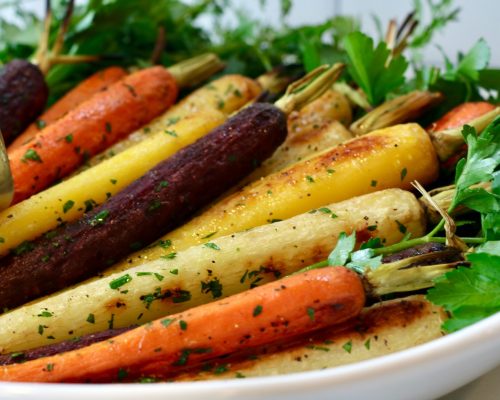
These vibrant root vegetables are simply roasted at 425°F, elevate the aesthetics of any table, and pack a punch of sweet, earthy goodness.

Pro Tips for Crispy Roasted Cauliflower

  • Cut the stem flush with the florets so pieces sit flat on the pan.
  • If your cauliflower browns too quickly, lower the rack one position in the oven.
  • Taste for seasoning before serving.
crispy oven roasted cauliflower with pine nuts and lemon
Print Recipe
No ratings yet

Crispy Oven Roasted Cauliflower

A dependable, everyday vegetable that works with almost anything. Roasting concentrates the natural sweetness of cauliflower while the edges caramelize and crisp. The method is straightforward, but a few small choices — pan space, heat, and salt timing — make the difference between soft and deeply golden.
Course: Side Dish
Cuisine: American, Mediterranean
Keyword: roasted cauliflower
Servings: 4 people
Author: Christina Collins | Feast & Merriment
Cost: $5

Ingredients

  • 1 large head cauliflower about 2–2½ lb cut into 1.5-2 inch florets.
  • 2 –3 tablespoons olive oil
  • ¾ teaspoon kosher salt plus more to taste
  • ½ teaspoon freshly ground black pepper
  • Optional finish: squeeze of lemon and parsley or grated parmesan cheese.

Instructions

  • Preheat oven to 425°F. Place a sheet pan inside while the oven heats (this jump-starts browning).
  • Dry the florets well.Moisture = steaming, not roasting.
  • Toss with olive oil, salt, and pepper in a large bowl.
  • Carefully spread onto the hot pan in a single layer, flat sides down.
  • Roast 20–25 minutes, turning once halfway through, until deeply golden and tender.
  • Finish with lemon juice and parsley or a sprinkle of grated parmesan cheese, if desired.

Notes

Helpful Tips for Best Results

  • Crowding is the #1 mistake — use two pans if needed.
  • High heat matters — below 400°F the cauliflower softens instead of caramelizing.
  • Don’t move it early — the first contact with the pan forms the crust.
  • If pale after roasting, broil 1–2 minutes at the end.

Ritz Cracker Baked Cod (Easy Weeknight Dinner)

Ritz Cracker Crusted Baked Cod in a baking dish

Ritz Cracker Baked Cod is a straightforward, buttery baked fish recipe with a crisp golden topping and tender, flaky center. It’s simple, reliable, and made with ingredients most kitchens already have on hand.

There’s a reason this dish has endured for decades — it delivers texture, balance, and comfort without complication.

Ritz Cracker Baked Cod in a baking dish cooked until golden brown
Like all fish recipes, quality matters! Fresh is best if you can find it.

Why I love this Ritz Cracker Baked Cod Recipe

This recipe works because it celebrates keeping things simple and highlighting the main ingredient- the fish.

Cod is mild, clean, and flaky. The crushed Ritz topping adds salt, richness, and structure without overpowering it. When baked properly, you get contrast: crisp surface, soft interior, bold flavor.

It’s also easy to assemble and get on the table quickly which makes it perfect for a weeknight meal, and a great option for a meatless Monday.

The Best Fish and Chips Recipe
The best Fish & Chip recipe is a batter that is thin and crunchy encapsulating a moist, flavorful piece of cod. Serve it with a tangy, homemade tartar sauce that is very easy to make.

Ingredients to make Ritz Cracker Baked Cod

  • Fresh cod fillets
  • Ritz crackers, coarsely crushed
  • Melted butter
  • Lemon
  • Salt and freshly ground pepper
  • Optional: chopped parsley

Pro Tips to Make Ritz Cracker Baked Cod

Use Thick, Even Fillets: Choose cod pieces that are similar in thickness so they cook evenly. Pat them dry before adding the topping — moisture prevents browning.

Keep the Crumbs Coarse: Crush the crackers into textured crumbs, not powder. Texture is what creates the crisp crust.

Bake Until Just Flaky: Cod cooks quickly. Bake at 400°F for about 12–15 minutes, depending on thickness. The fish should flake easily with a fork and appear opaque throughout. If the topping needs more color, broil briefly — watching very closely.

Frequently Asked Questions

Can I substitute another fish? Yes. Haddock is an excellent alternative with similar texture and flavor.

Can I use gluten-free crackers? Yes. Choose a buttery gluten-free cracker for comparable flavor.

How do I know when cod is done? The internal temperature should reach 145°F, and the fish should flake easily without appearing translucent.

Ritz Cracker Crusted Baked Cod in a baking dish
Print Recipe
5 from 3 votes

Ritz Cracker Baked Cod

This Ritz Cracker Baked Cod recipe is a classic baked cod recipe made with flaky white fish and a buttery cracker topping that turns golden and crisp in the oven. It's an easy baked cod recipe that’s reliable, flavorful, and weeknight practical.
Course: dinner
Cuisine: Mediterranean
Keyword: baked shrimp, cod, Lemon fish
Servings: 4 -6 people

Ingredients

  • Good olive oil
  • 4 -6 center-cut boneless skinless cod fillets (6 to 8 ounces each)
  • Kosher salt and freshly ground black pepper
  • 1/2 cup Ritz cracker crumbs 15 crackers; see Cook’s Note
  • 1/3 cup panko Japanese bread flakes
  • 2 tablespoons minced fresh parsley
  • 2 teaspoons minced garlic 2 cloves
  • 1 teaspoon grated lemon zest
  • 3 tablespoons unsalted butter melted
  • 1/4 cup dry white wine such as Pinot Grigio
  • 2 tablespoons freshly squeezed lemon juice
  • Lemon wedges for serving

Instructions

  • Preheat the oven to 400° F.
  • Crush the Ritz crackers into the bowl of a food processor fitted with the steel blade and process until finely ground. Set aside.
  • Pour 2 tbsp EVOO in a ceramic baking dish (just big enough to hold the fish) and tilt the dish to coat the bottom with oil. Place the fish fillets in the dish and turn to coat both sides with the oil. Sprinkle the fish with 1 1/2 teaspoons salt and 1/2 teaspoon pepper and bake for 10 minutes.
  • Meanwhile, combine the cracker crumbs, panko, parsley, garlic, lemon zest, and 1 teaspoon salt in a small bowl. Add the melted butter and stir until evenly moistened. Set aside.
  • Remove the fish from the oven and pour the wine and lemon juice directly on the fillets. Pat the crumb mixture evenly onto the fillets, pressing gently to help them adhere. (Don’t worry if some crumbs get into the sauce!)
  • Return the pan to the oven for 12 minutes, until the fillets are just cooked through in the center, depending on the thickness of the fish. Sprinkle with salt and serve hot with the pan juices and lemon wedges.

Easy, Oven Baked Lemon Chicken

Ina Garten's Lemon Chicken breasts in a teal cooking pan

Ina Garten’s Oven Baked Lemon Chicken is what I call a perfect recipe. It doesn’t try to be clever– it just delivers exactly what it exactly what it promises: lemony, roasted chicken done right. Boneless, skin-on chicken breasts are oven roasted in a lemon garlic sauce until the skin is crisp, the meat stays juicy, and the pan sauce tastes like something you worked much harder on than you actually did.

You can’t really go wrong here. (Unless you don’t like lemon. In that case, this is not your chicken.)

Why I love Ina’s Lemon Chicken Recipe

This is a one of my favorite “go-to” Ina Garten recipes for weeknight, bistro style cooking. It’s classic cooking with bold flavors, uncomplicated flavors–done right, which is kind of Ina Garten’s whole thing.

  • Bone-in, skin-on chicken stays juicy and gets properly browned
  • Lemon is present, not muted which is often the case.
  • The sauce builds naturally from the pan without extra steps or thickeners
  • It’s hands off cooking – the pan juices do all the work.

What Makes This Lemon Chicken Recipe Work

A lot of lemon chicken recipes miss the mark by leaning too hard into acidity or sugar. This one doesn’t. The lemon is bright, the garlic is present without being sharp, and the chicken absorbs all the flavors on it’s own without you having to do the work.

Because the sauce forms directly from the roasting juices, it has depth and body without needing cream, butter, or flour. What you get is honest lemon and garlic flavor and a pan sauce you’ll want to spoon over everything on the plate. (Especially Roasted or mashed potatoes!)

Pro Tips for Lemon Chicken

  • Don’t rush the browning. Color matters here.
  • Use real lemons, not bottled juice. You’ll taste the difference.
  • Let the chicken rest briefly before serving so the juices settle back into the meat.
  • None of this is complicated, but it does reward paying attention.
  • Use a Meat thermometer to temp the meat and pull it at 160°F. (It will reach 165°F quickly while resting)
Thermoworks Thermapen One®
A new standard of accuracy for the discerning cook
The Thermapen® ONE was designed with speed and accuracy in mind. If you are a cook who values precision, this thermometerl will revolutionize your cooking experience.

A note on sourcing chicken breasts

The hardest part of this recipe is sourcing skin on, boneless breasts. Bell and Evans sells them in my local market and when they don’t have them, I ask the butcher to de-bone them for me (or I do it myself.) But its a layup when I find them ready to go in the poultry aisle.

What to serve with Lemon Chicken

The answer is simple- roasted, smashed or mashed potatoes with green beans or broccolini. These sides are understated and let the chicken carry the plate. They soak up the sauce and bring the whole dish together.

Winner winner, chicken dinner!

A simple recipes the delivers big on flavor and easy enough for a cook of any level. The only qualification you need is that you have to like lemon!

Ina Garten's Lemon Chicken breasts in a teal cooking pan
Print Recipe
No ratings yet

Lemon Chicken

This lemon chicken is all about crisp skin, real lemon, and a garlic-forward sauce that’s good enough to drink. Minimal effort, maximum payoff.
Prep Time15 minutes
Cook Time35 minutes
Course: dinner
Cuisine: Mediterranean
Keyword: lemon
Servings: 4 people

Ingredients

  • 1/4 cup good olive oil
  • 3 tablespoons minced garlic 9 cloves
  • 1/3 cup dry white wine pinot Grigio, Gavi, Sav blanc
  • 1 tablespoon grated lemon zest 2 lemons
  • 2 tablespoons freshly squeezed lemon juice
  • 1 1/2 teaspoons dried oregano
  • 1 teaspoon minced fresh thyme leaves
  • Kosher salt and freshly ground black pepper
  • 4 boneless chicken breasts skin on (6 to 8 ounces each)
  • 1 lemon

Instructions

  • Preheat the oven to 400° F.
  • Warm the olive oil in a small saucepan over medium-low heat, add the garlic, and cook for just 1 minute but don’t allow the garlic to turn brown. Off the heat, add the white wine, lemon zest, lemon juice, oregano, thyme, and 1 teaspoon salt and pour into a 9 by 12-inch baking dish.
  • Pat the chicken breasts dry and place them skin side up over the sauce. Brush the chicken breasts with olive oil and sprinkle them liberally with salt and pepper. Cut the lemon in 8 wedges and tuck it among the pieces of chicken.
  • Bake for about 30, depending on the size of the chicken breasts, until the chicken reaches 160°F and the skin is lightly browned. If the chicken isn’t browned enough, put it under the broiler for 2 minutes. Allow to rest for 10 minutes which will keep the chicken cooking. . Sprinkle with salt and serve hot with the pan juices.